Dan Stowell was a researcher at Queen Mary University of London when he founded an early version of what is now known as a Social Venture: a company created to do social good. With Florence Wilkinson, he turned birdsong into a tech-based social good.

His research is about designing methods that computers can use to make sense of bird sounds. One day he met Florence Wilkinson, who works with businesses and young people, and they discovered they both had the same idea: “What if we could make an app that recognises bird sounds?” They decided to create a startup company, Warblr, to make it happen. However, unlike many research driven startups its main aim was not to make money but to do a social good. Dan and FLorence built this into their company mission statement:
…to reconnect people with the natural world through technology. We want to get as many people outdoors as possible, learning about the wildlife on their doorstep and how to protect it.
Dan brought the technical computer science skills needed to create the app, and Florence brought the marketing and communication skills needed to ensure people would hear about it. Together, they persuaded Queen Mary University of London’s innovation unit to give them a start-up grant. As a result their app Warblr exists and even gained some press coverage.
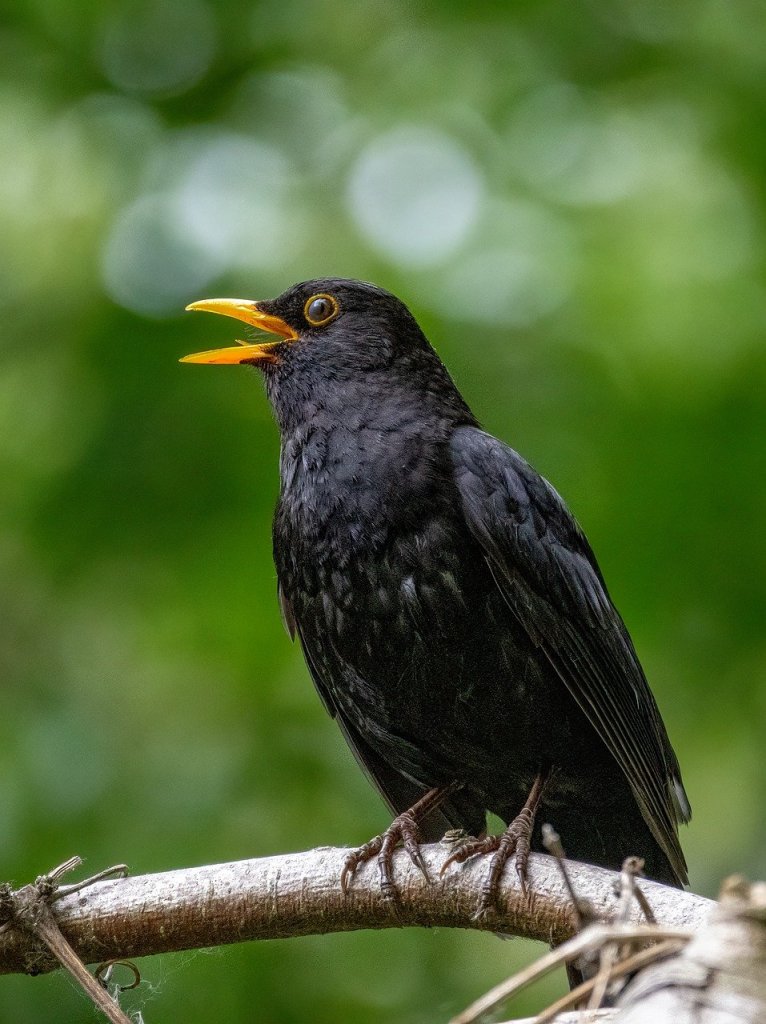
It can help people connect with nature by helping recognise birds – after all one of the problems with bird watching is they are so damned hard to spot and lots that flit by just look like little brown things! However, they are far easier to hear. Once you know what is out there then it adds incentive to try to actually spot it. However, the app has another purpose too. It collects data about the birds spotted, recording the species and where and when it was seen, with that data then made freely available to researchers.
Social ventures are a relatively new idea that universities are now supporting to help their researchers do social good that is sustainable and not just something that lasts until the grants run out. As Dan and Florence showed though, as a researcher you do not need to commit to do everything. To be a successful innovator you need more than technical skills, though. You need the ability to be part of a great team and to recognise a sound deal!
Updated from the archive, written by Paul Curzon, Queen Mary University of London.
More on …
- Find out more about the computer science behind the app.
- Download Warblr [EXTERNAL]
- The women are still here
- Tech Entrepreneurship
Magazines …

Subscribe to be notified whenever we publish a new post to the CS4FN blog.

EPSRC supports this blog through research grant EP/W033615/1.


 cs4fn
cs4fn 