After yesterday’s tinsel image inspiring a cable / broadband speeds themed post, today’s CS4FN Christmas Computing Advent Calendar picture of a candle has of course put me in mind of optical fibre, then that eminded me of optical illusions, so this is a light-hearted (sorry) look at those, shining a torch (or candle) into the CS4FN archives.

We’re now more than halfway through our advent calendar, having posted something every day for the last 15 days. Do we have enough material for the next 10 days? You betcha 🙂 CS4FN has been running for 16 20 years and we’ve produced 27 29 magazines for subscribing UK schools (they’re free, get your teacher to subscribe for next year’s magazine) and a whole load of other booklets and posters etc. We’ve been busy!
The optical pony express
by Paul Curzon, QMUL. This article originally appeared on the CS4FN website.
Read about the change in speeds in communications, from letters via pony express, to Morse via telegraph wires, then telephones via copper wires, and modern digital computing – and now at the speed of light via optical fibre.
Illusions – The CS4FN Eye
by Paul Curzon, QMUL. This article originally appeared on our A Bit of CS4FN website.
Optical illusions tell us about how our brains work. They show that our brains follow rules that we cannot switch off.

Stare at the picture, moving your head a little as you do. The middle circle floats around as though it is not part of the rest of the eye. It isn’t moving of course. It was created by the Japanese artist Hajime Ouchi.
Your brain is doing some amazing tricks – turning the light hitting your eye into an understanding of the world around you. Knowing what is near and what is far, and whether there is movement, are things that all animals must do quickly (especially when a tiger is near rather than far!)
To work things out your brain makes some guesses. It has built in rules that spot patterns. One rule helps us guess if something is moving up and down. Another spots side to side movement.
The patterns in this picture trigger those rules, telling you there are two separate objects. The rules that allow your brain to make sense of the world quickly are telling you the wrong thing, and you cannot stop it happening!
Programs that allow computers to “see” like we do have to do more than record things like a camera. They need to make sense of what is there. They need to be able to tell objects apart. A driverless car needs to tell if that blotch of darkness is a pedestrian or just a shadow.
Machine learning is one way to do this. The computer learns rules about patterns in the data it records just as we do. If they do it well robots of the future may be fooled by the same optical illusions that we are.
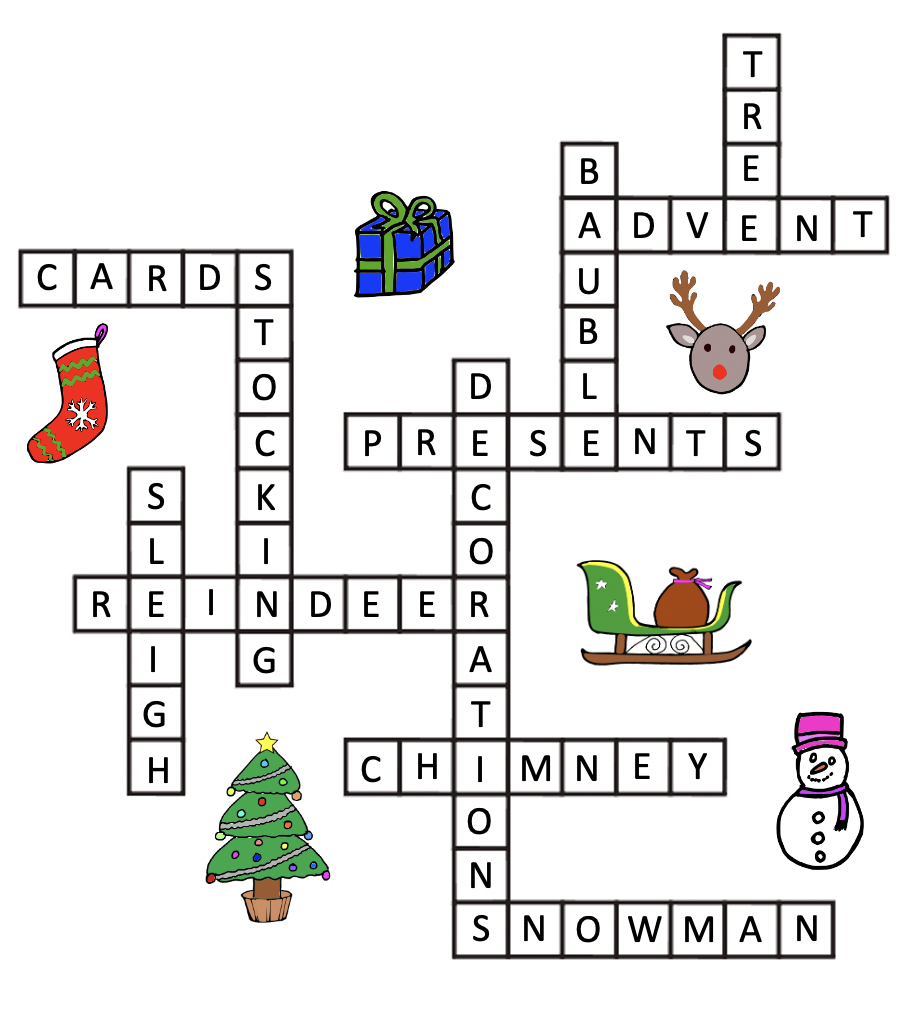
Answer to yesterday’s puzzle

EPSRC supports this blog through research grant EP/W033615/1.

 cs4fn
cs4fn 