Google’s Fitbit is a smart wristwatch which doesn’t just tell you the time but can also monitor your movements and your heart beat. A particular time of day when your heart beat slows down and you move much less is at night when you’re fast asleep in bed.
Not everyone sleeps well though. Some people struggle to get to sleep and then wake up often during the night and so they feel tired during the day. The FitBit’s “Sleep Profiles” is an AI-supported sleep tracking tool (available to Premium subscribers) that may be able to help them. If the sleeper regularly wears their watch in bed it can monitor their sleep and build up a picture of how long it takes them to fall asleep, how often they wake up and offer some suggestions on how to get a better night’s rest.
So far Google has analysed 22 billion hours of sleep data from Fitbit users (who all agree to share their information so that they and everyone else can benefit from that shared knowledge). They used unsupervised machine learning to find out more about the data. This method gives an artificial intelligence lots of information but doesn’t tell it what to do with it. Instead they asked the AI to cluster groups of data together for the scientists to analyse and interpret. The result was six clusters of data showing the most common different ways that people sleep.
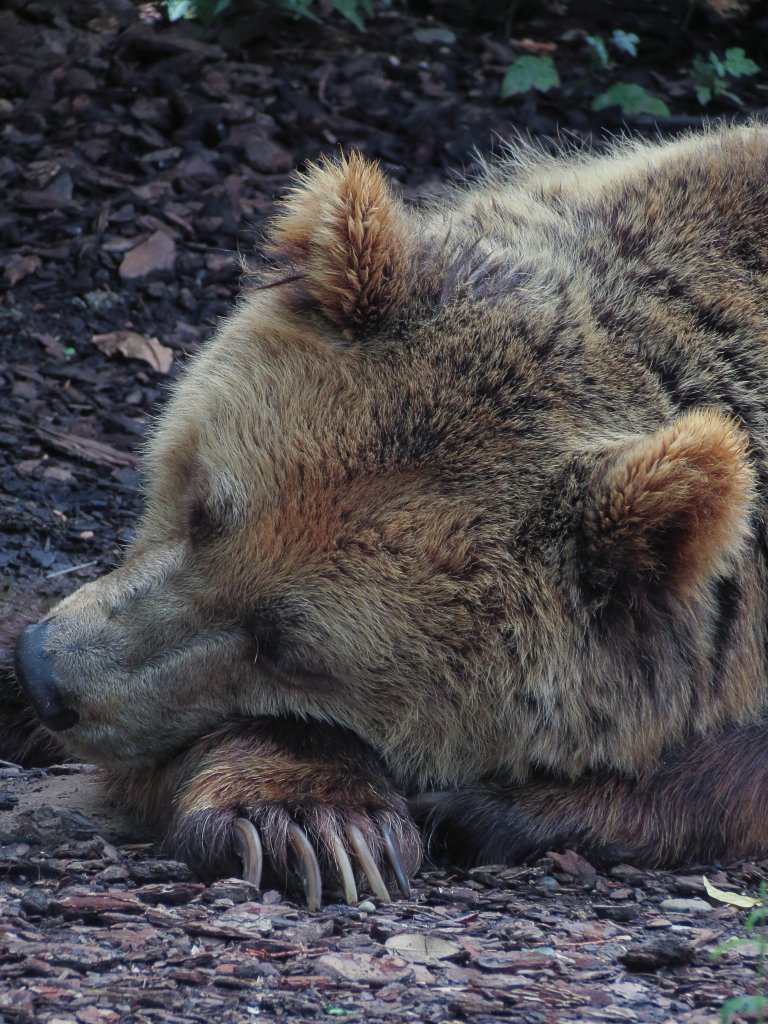
To make it easy for users to understand what the data meant, and how closely their own sleep pattern matched one of the clusters, Fitbit named each cluster after an animal. They took a bit of care over selecting animals to use as they wanted people to have more positive associations (no one wants to be called a sloth for example!) and came up with bear 🐻 tortoise 🐢dolphin 🐬giraffe 🦒parrot 🦜and hedgehog 🦔. People’s ‘sleep animals’ don’t stay the same though (just like our sleep) and you might be a dolphin one month and a tortoise the next. Tortoise-sleepers spend longer in bed but also take longer to fall asleep, and dolphin-sleepers sleep very lightly and tend to spend more time awake in bed.
Elena Perez, one of the product managers for Fitbit, said that parents of little children had told her that they’d seen the icon of the sleeping animal appear on their parents’ watch and knew that it was time to go to bed. Sweet dreams…
Did you know?
Dolphins and many birds use ‘unihemispheric sleep’ which means that one half of their brain (like humans their brains are also divided into two hemispheres) falls asleep first and the other stays awake. Then the hemispheres swap over!
by Jo Brodie, Queen Mary University of London
More on…
Related Magazine …

 cs4fn
cs4fn 