AI can unmix music and isolate vocals
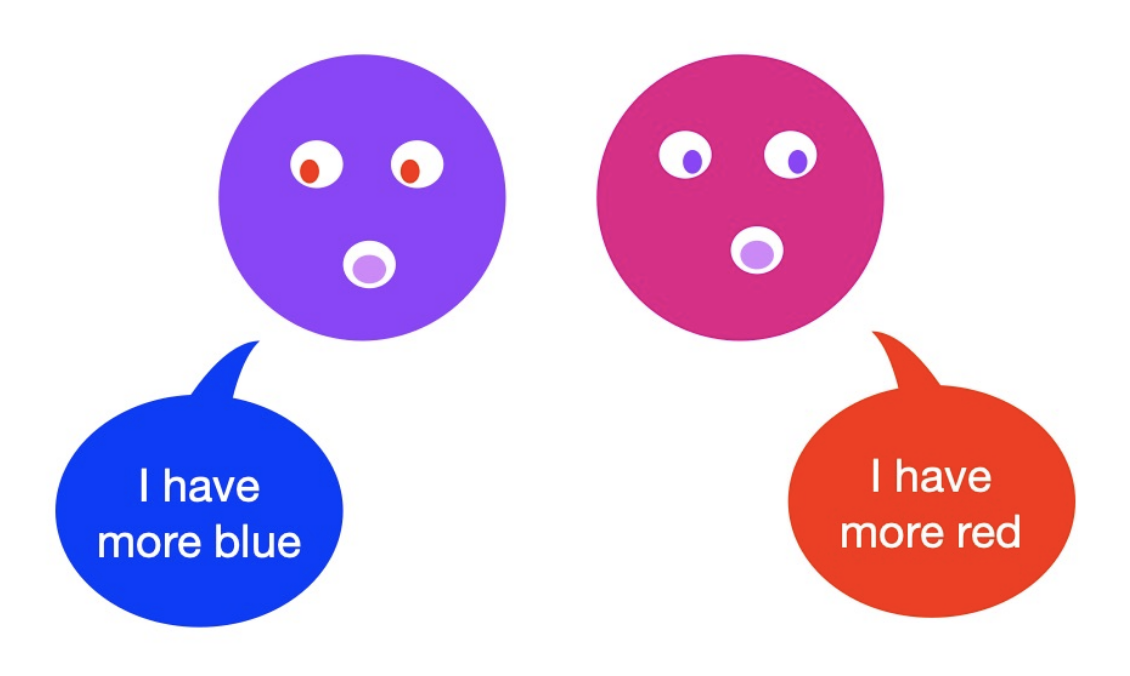
Purple can be created by mixing together red and blue paint. You can probably tell which of the faces in the image has more blue and which has more red. Does music work the same way?
Your brain can recognise the red and blue in purple while still seeing it as a whole colour. Music is similar. When you listen to a song your ears and brain hear all the sounds at once. The singing, guitars, drums and keyboard parts are mixed together, but you can also focus on the singing, or the keyboards or ….
Computer scientists have gone a step further with Artificial Intelligence. By training AI tools on lots of different songs they have taught them to do “source separation” – unmixing a recorded song back into its separate bits. Those separate bits are called stems. It is like taking purple paint and unmixing it to give blue and red again!
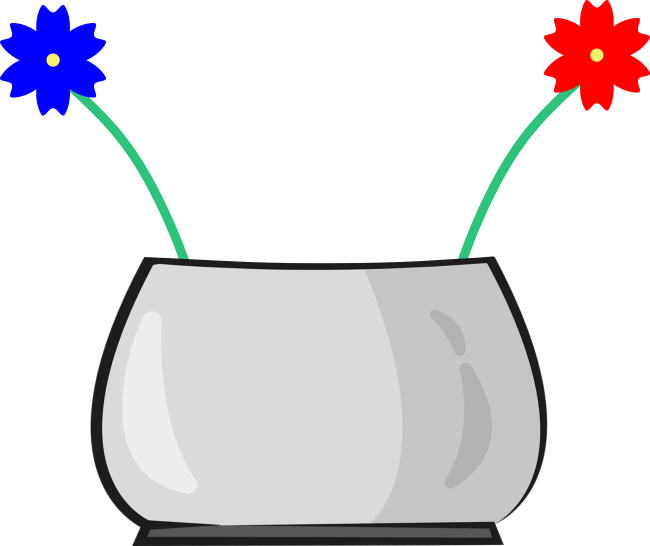
“Not that kind of stem!”
Did you know?
Photographer Todd McLellan photographs gadgets he’s carefully taken apart, to show all the pieces (search the web for his “Things Come Apart”). When a piece of music is blended together and an AI separates it again it’s a bit more like trying to un-bake a cake!
Jo Brodie and Paul Curzon, Queen Mary University of London
More on…
We have LOTS of articles about music, audio and computer science. Have a look in these themed portals for more:
- Music and AI
- Music, Digital or Not
- Audio Engineering
- Read more about Music and AI in our mini-magazine “A Bit of CS4FN” issue 6 [COMING SOON]

Subscribe to be notified whenever we publish a new post to the CS4FN blog.

 cs4fn
cs4fn 
One thought on “Separate your stems”