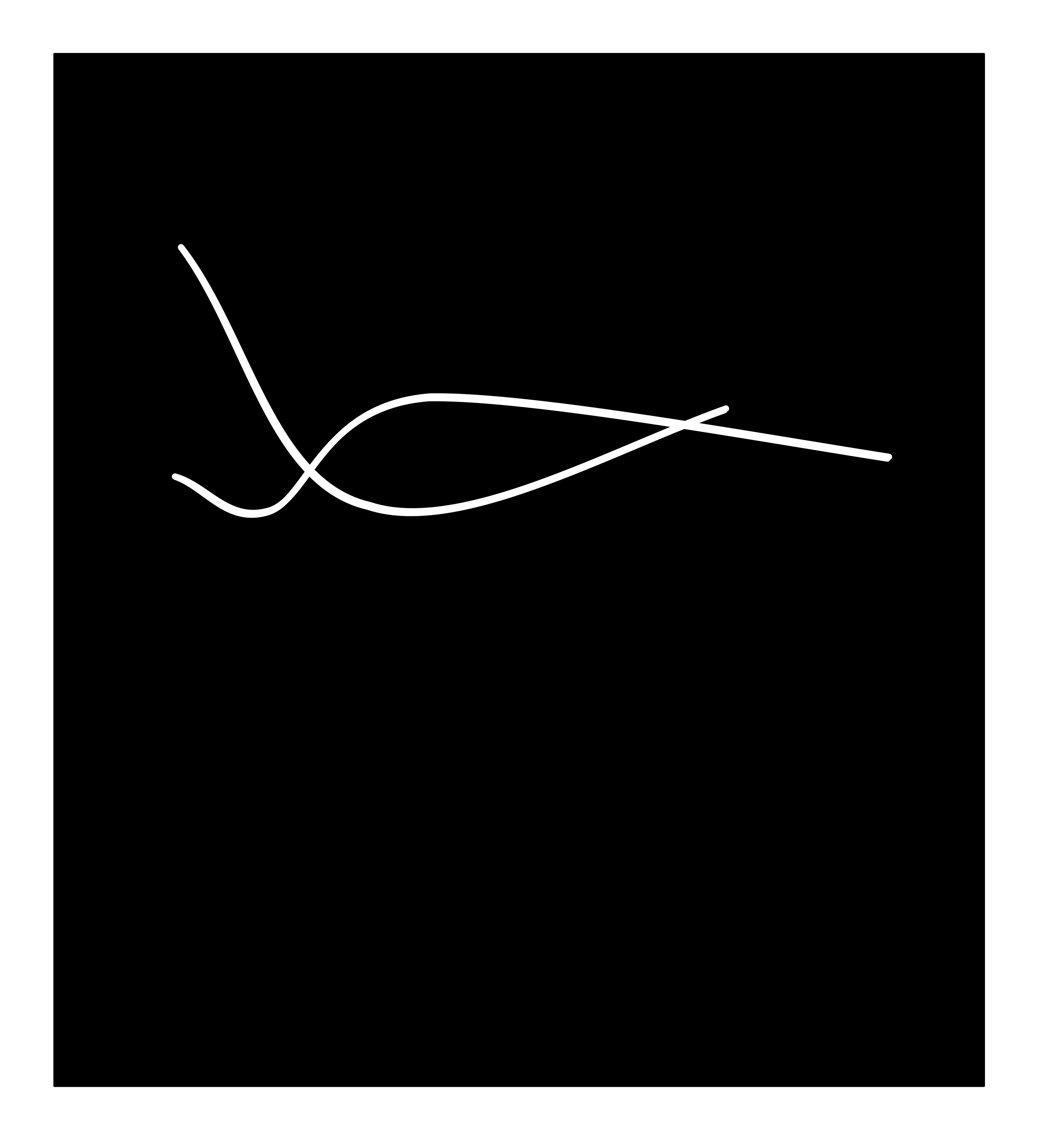
Two current exhibitions at the Tate Modern in London that those interesting in technology and art may want to see are “Electric Dreams: Art and Technology before the Internet”, and Anthony McCall’s truly wonderful “Solid Light”. Both run for the next few months in 2025.
Electric Dreams covers artists use of machines to create art over the second half of the 20th century, covering a wide range of styles and ideas often involving light and motion in thought-provoking ways. The exhibition ranges from the early wearable art of Atsuko Tanaka – a 1956 Electric Dress that coated the wearer in lights (before the age of LEDs so it was a weighty 60 kg) through the first computer choreography of dance; Hirosho Karano’s program that painted like Mondrian; the Art of Harold Cohen’s program Aaron, the first AI artist creating physical art, to Rebecca Allen’s early use of motion capture in art from 1982 and beyond.
While there you should visit Anthony McCall’s Solid Light exhibition. Using just 35 mm film projected in dark smoky rooms he creates an amazing immersive experience that is fun for toddlers and adults alike. It consists of changing sculptures made of slowly moving, curved walls of light that the viewer walks, around, in and through. Sit and watch or interact yourself and become part of the art. It is playful, awe-inspiring and thought-provoking all at once. Exactly what I think the best art should be.
If you want a first experience of an art gallery for a three-year old then you would struggle to do better than a visit to the Tate Modern. Start with Solid Light, followed by visiting the room in Electric Dreams containing Carlos Cruz-Diez’s work where you play with large white balloons in a space full of continuously moving lines of light.
If you thought that machines were replacing artists then think again. The best artists may be using technology, but they go way beyond anything technology itself can do alone and I imagine will be for a long time to come. Combine Computer Science or Electronic Engineering with Creative, Media Art skills, and perhaps you could be one of the future pioneer artists using the new technology of the future in exciting ways.
– Paul Curzon, Queen Mary University of London
More on …
- Anthony McCall artist page at the Tate Modern [EXTERNAL]
- The Art of Computer Science [PORTAL]
Related Magazines …
Our Books …
- The Power of Computational Thinking:
- Games Magic and Puzzles to help you become a computational thinker
- Conjuring with Computation
- Learn the basics of computer science through magic tricks
Subscribe to be notified whenever we publish a new post to the CS4FN blog.
EPSRC supports this blog through research grant EP/W033615/1.


 cs4fn
cs4fn 