Gary Starkweather, born 9 January 1938, invented and developed the first laser printer. In the late 1960s he was an engineer, with a background in optics, working in the US for the Xerox company (famous for their photocopiers) and came up with the idea of using a laser beam to transfer the image to the photocopier (so that it could make lots of copies), speeding up the process of printing documents. There is a video of Gary talking about the ‘Eureka moment’ of his invention here. Laser printers are now found in offices worldwide – you may even have one at home.
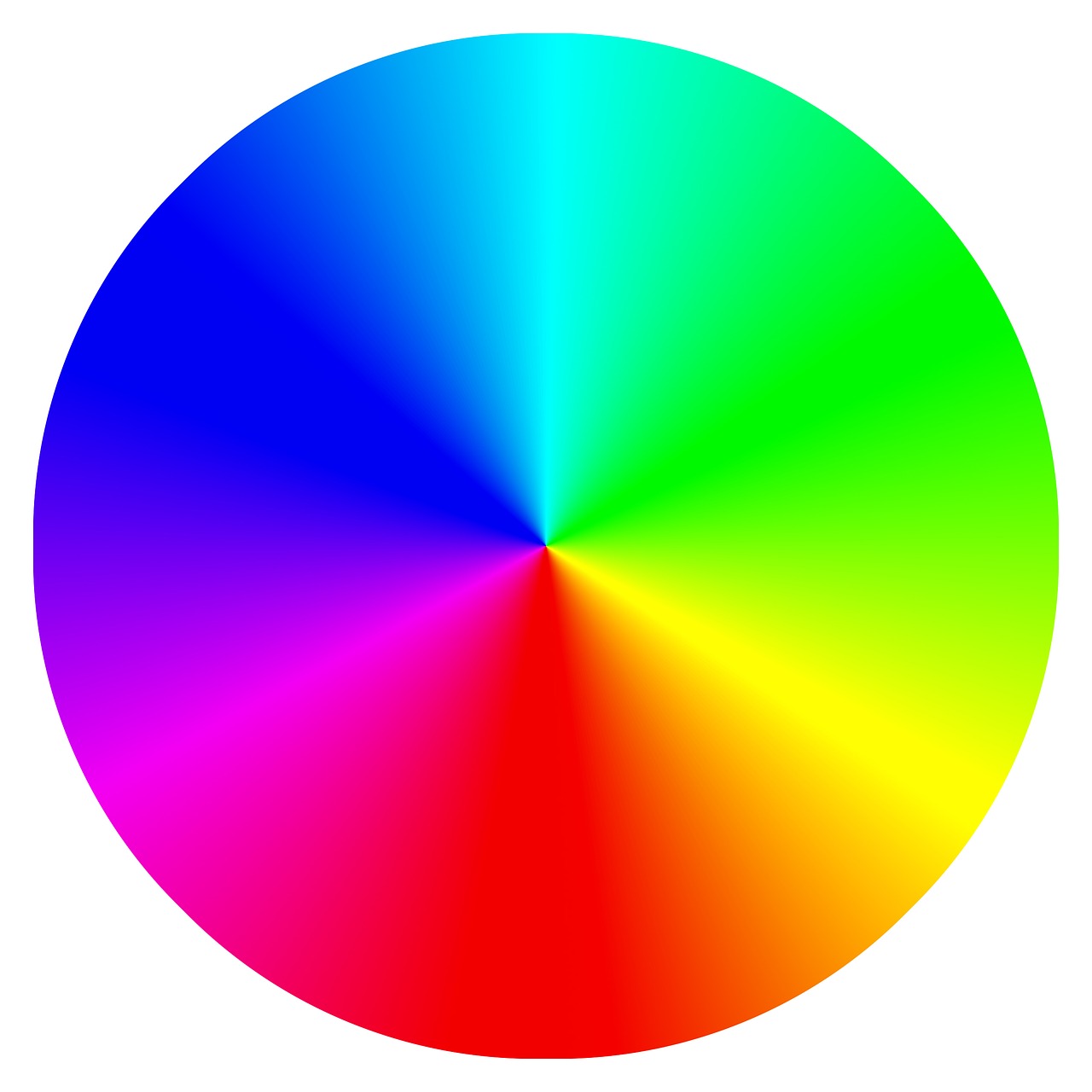
He also invented colour management which is a way of ensuring that a shade of blue colour on your computer’s or phone’s screen looks the same on a TV screen or when printed out. Different devices have different display colours so ‘red’ on one device might not be the same as ‘red’ on another. Colour management is something that happens in devices behind the scenes and which translates the colour instruction from one device to produce the closest match on another. There is an International Color Consortium (ICC) which helps different device manufacturers ensure that colour is “seamless between devices and documents”.
Starkweather received an Academy Award (an Oscar) for Technical Achievement in 1994, for the work he’d done in colour film scanning. That involves taking a strip of film and converting it digitally so it can be edited on a computer.
As a nice coincidence, on the same day as his birth, in 2007, the first Apple iPhone was announced (though not available until June that year)… and all iPhones use colour management!
Jo Brodie, Queen Mary University of London
Subscribe to be notified whenever we publish a new post to the CS4FN blog.
This blog is funded by EPSRC on research agreement EP/W033615/1.


 cs4fn
cs4fn 