


The deep understanding of computation and artificial intelligence
Theoretical work in computer science along with basic science and engineering form the foundations of solid applications that work.
With the advent of Generative AI, it has never been more important to understand how our computer systems work and why they work, whether traditional and new data-based systems. We need to build them better, in ways that mean we are sure we know what they are doing, so we know how efficient they are, and whether it is even possible to do better
Having a deep understanding of all this also is vital so we can make future systems more affordable and more energy efficient.
To do all this requires mathematical tools, engineering methodology and scientific method: they lie at the heart of research in to the Fundamental AI and Computational Theory.
Logic and Deduction

Logic and deduction are core thinking skills but also an important intellectual pursuit since the Ancient Greeks. In the computer age it is at the core of how computers work as well core to how we get programs right. It is also the subject of maths, computer science and philosophy research in its own right. (Read on)
Algorithms and Complexity

Computer scientists invent algorithms then explore the properties of them, including proving mathematically that they work. However, just working is not enough. They must be efficient to. What are the bounds on what algorithms can even do at all? It is not of much practical use inventing an algorithm that will take longer then the age of the universe to give an answer, so understanding the maths of how efficient algorithms are – how complex they are really matters. And it leads to one of the most important but unsolved problems in all of Computer Science.(Read on)
Semantics, Verification and Validation

Computer programs can fail for lots of reasons. The can have bugs that mean they don’t do what they we intended to do. However, that thing they were supposed to do could be flawed. This is the difference between verification and validation.
Verification also depends on semantics: having mathematically defined meanings of programming languages. They provide the foundation for formal reasoning about whether programs are correct. (Read on)
Formal Methods and AI
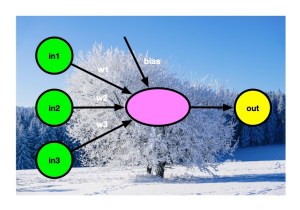
The advent of powerful generative AI brings new difficult challenges around understanding how it works, and finding ways to verify these tools and the systems they help create, given they can write programs too. How can we make them explainable? What are the consequences of training, them on their own outputs? What are the limits of what they can do. Theory is just as important as thinking of and developing new AI applications. We need to understand it well for it to help us make practical applications better. (Read on)
Symbolic Neuroscience and the Fundamentals of Deep Learning
Just as our own bodies and brains are so complex, we are still understanding their mysteries, we are now building AI systems that internally are so huge we barely understand them, and that do things that were not predicted or intended even by those creating them. We need a far better grasp on how they work so what they do. That is what Symbolic Neuroscience aims to do. (Read on)
Subscribe to be notified whenever we publish a new post to the CS4FN blog.

 cs4fn
cs4fn 