
All for one, but one for all
When designers designing a way that takes into account people with differences, people with disabilities, older people, younger people, then often they come up with designs are better for everyone.
For example, central locking on cars was designed for peopke who couldn’t easily reach the other doors, but is useful for us al. Drop kerbs were designed for people in wheelchairs but help parents pushing buggies and people with wheelie bags and cases.
By narrowing down the design options far better designs often emerge. That is something those designing programs need to keep in mind too.
.
Sounding out a sensory garden
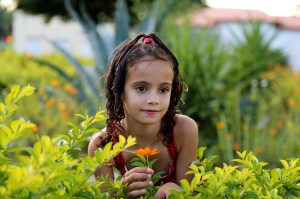
How QMUL’s Nela Brown added interactive sound to a sensory garden, aiming for it to be informal but have educational and social value, even though it was outside. … (read on)
Shh! Can you hear that diagram

What does a diagram sound like? What does the shape of a sound feel like? By helping the partially sighted hear diagrams we may find we have tools that help us all…. (read on)
Art touch and talk tour tech
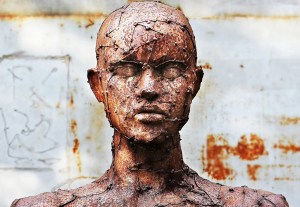
What could a blind or partially-sighted person get from a visit to an art gallery? Quite a lot if the art gallery puts their mind to it. More if they make use of technology like haptic gloves and AI. So much so, we may all want the enhanced experience. (Read on)
Accessible Technology in the Voting Booth
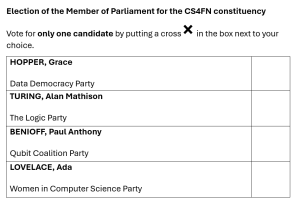
The right of voters to vote independently and secretly is so important, but many blind / partially sighted people cannot do so without assistance. How does tech enable them to vote independently? (Read on)
The tactful watch
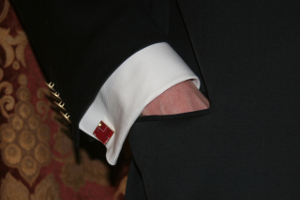
These days art and high technology don’t mix much. Personal gadgets are one thing, jewellery quite another. That hasn’t always been the case though and hopefully it won’t be in the future. The tactful watch also shows how tech accessible to blind people can have other uses too. (Read on)
Patterns for Sharing

The DePIC research team are a group with a mission to solve problems that involve the senses, and they are drawing on their inner desire to share! The team unlock situations where individuals with sensory impairments are disadvantaged in their use of computers… (read on)
Involving disabled people in the design of ICT tools and devices

“Inclusive Public Activities for information and Communication Technologies” is an EPSRC-funded project to make sure the voices an opinions of disabled people are included in ICT design… (read on)
My first signs

Lila Harrar, then a computer science student at Queen Mary University of London was inspired by a deaf person to do something to make a difference. Her chance came when she had to think of something to do for her undergraduate project. (Read on)
Disabled Computing Stars

There have been many disabled stars who have been responsible for technological innovations, both when designing for disabled people, and designing for all… (read on)
More to come (of course)
Subscribe to be notified whenever we publish a new post to the CS4FN blog.
This blog is funded by EPSRC on research agreement EP/W033615/1.

Click the Portals image below to uncover our other themed pages.

 cs4fn
cs4fn 