Here’s a selection of our articles at the intersection of computing and wildlife.
Sonifying zebrafish biology
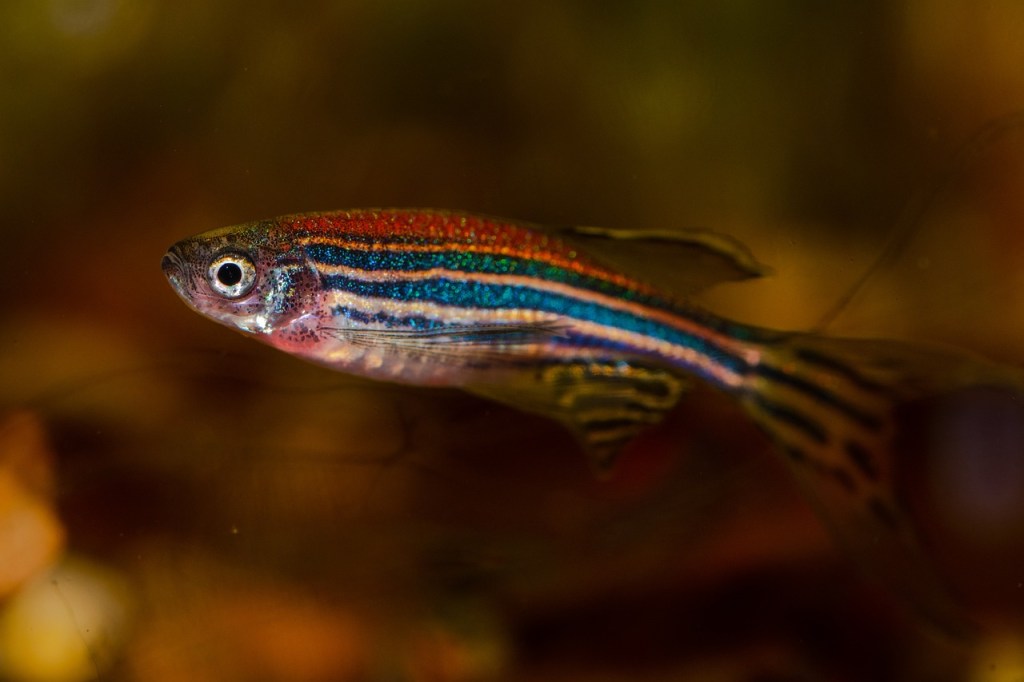
Humans are very good at spotting patterns in sound so it’s sometimes easier to listen to data than just to look at it. (Using sound to represent data is called ‘sonification’). Read more…
Zebrafish (Danio rerio) by Peter Kuznetsov from Pixabay
How did the zebra get its stripes?
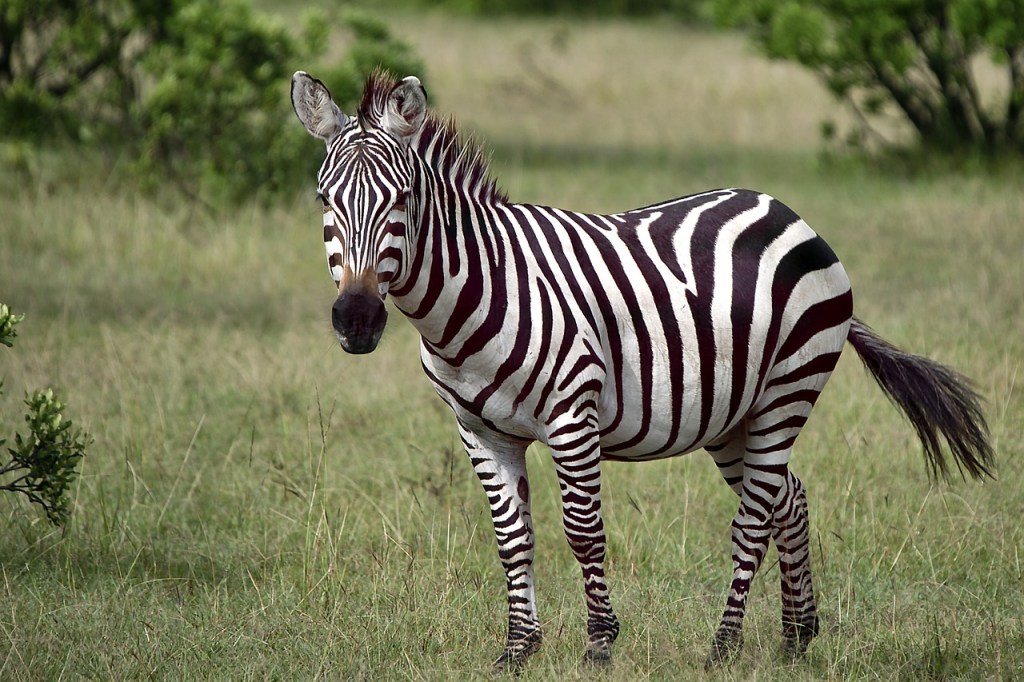
How did the zebra get its stripes?
Alan Turing, more famous for his codebreaking work in World War 2, also investigated how stripey or spotted patterns can develop in animals’ skins, through ‘morphogenesis’.
Read more…
Zebra (Equus quagga / Equus spp.) by Alp Cem from Pixabay
Dr Who? Dr You???
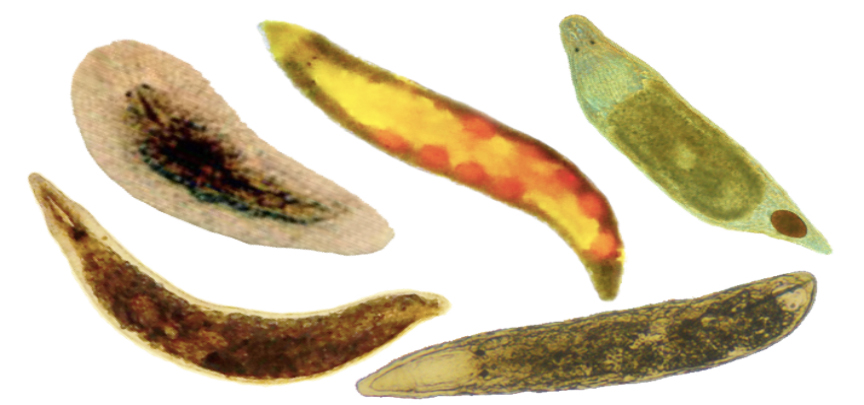
Flatworms might not look like us but, like all life, these simple organisms share some genetic information with us. Learning how they regenerate (through morphogenesis) may tell us more about how human diseases develop. Read more…
Flatworms (Platyhelminthes: various species) by Masatsugu Yamazaki on Wikimedia Commons under a CC BY-SA 4.0 licence
I know where your cat lives
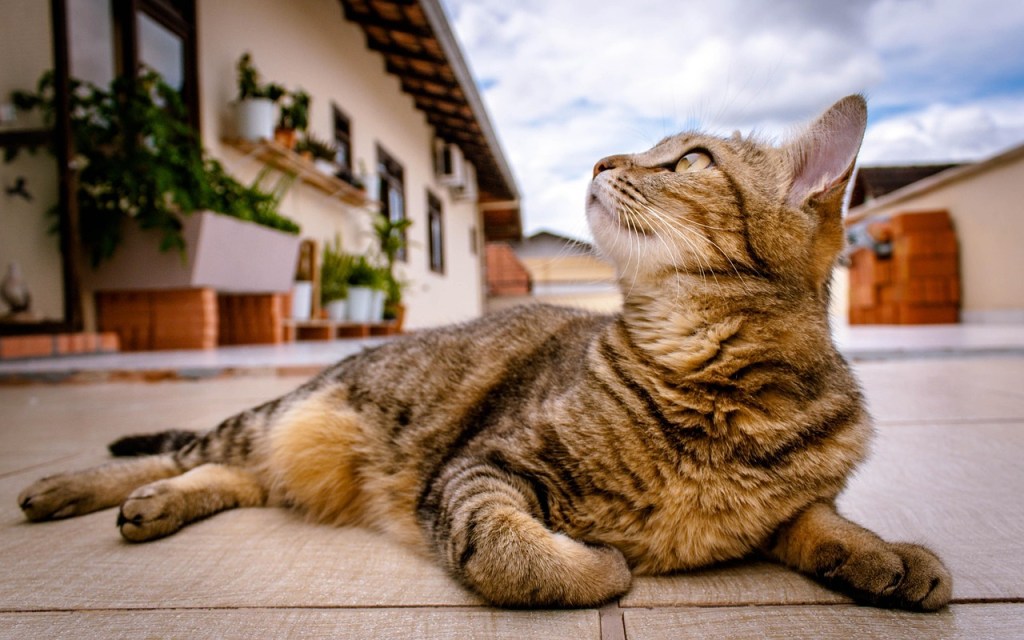
A website took publicly available photographs of people’s cats and mapped them to their home to highlight that a photograph’s metadata (data about data) can give information away even if the photograph itself doesn’t. Read more…
Cat (Felis catus) by Pexels from Pixabay
Broadband, by carrier pigeon

In the internet age we don’t really need to use pigeons to send messages (‘transmit data’) but just in case you did, computer scientists have a protocol for your data transfer. Created as an April Fool’s joke it has actually been used in real life too. Read more…
Pigeon (Columba livia domestica) by Ralph from Pixabay
Virtual reality goggles for mice
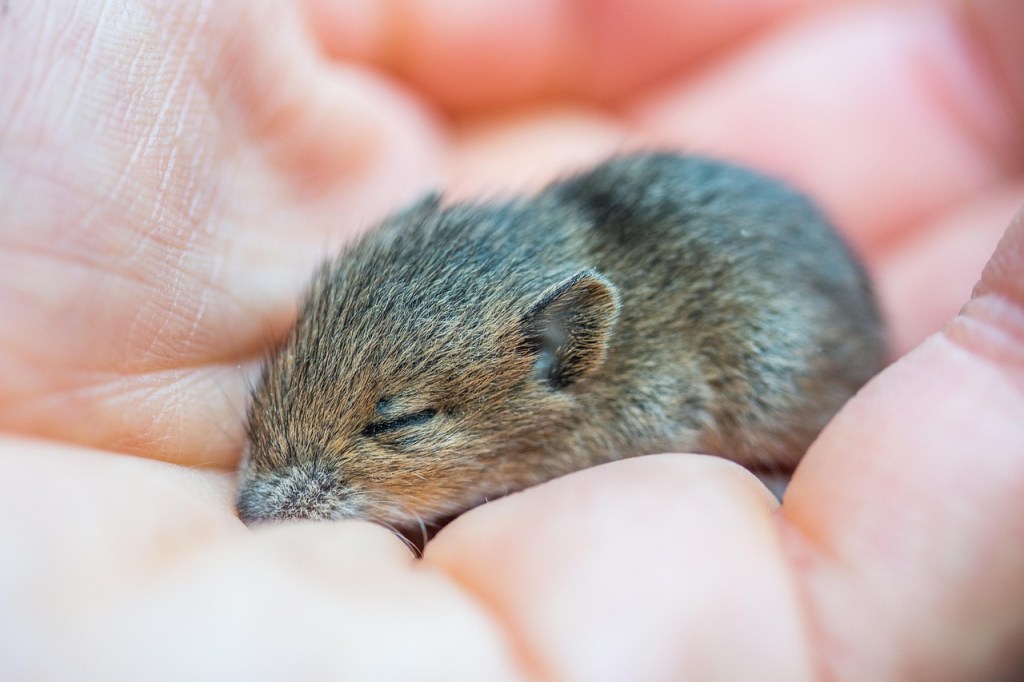
Scientists have created a Virtual Reality maze for mice to run about and complete tasks in, so that the scientists can control the environment while scanning the brains of the mice. To make sure it’s fully immersive (im-mouse-ive…? sorry) they had to make tiny goggles for them too. Read more…
Baby mouse (Mus musculus) by JonathanRieder from Pixabay
The Devil is in the Detail: Lessons from Animal Welfare? (Temple Grandin)
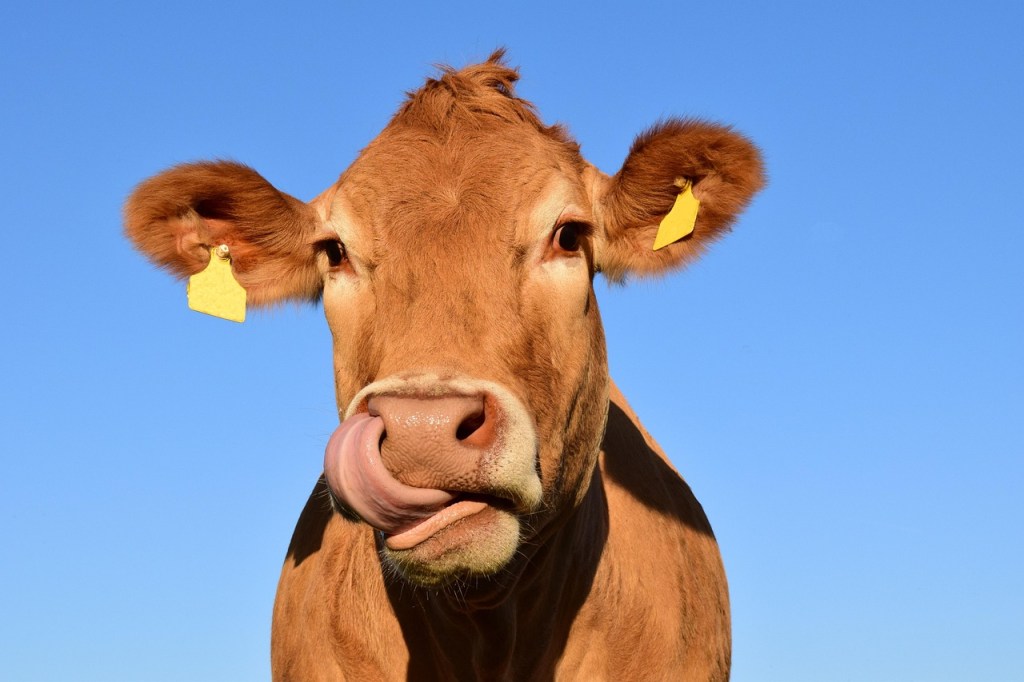
What can Computer Scientists learn from a remarkable woman and the improvements she made to animal welfare and the meat processing industry? Read more…
Cow (Bos taurus) by Leopictures from Pixabay
Bitten blue

For some reason biting flies home in on some people while leaving others (even those walking next to them) alone. What is going on, what does it have to do with the colour blue, and how is computer science helping? Read more…
Blue dress by Pexels from Pixabay
Click the Portals image below to uncover our other themed pages.

 cs4fn
cs4fn 
